In recent years, traditional plastic bags have increasingly been replaced by eco-friendly shopping bags and 100% recyclable packaging solutions. Rapid global industrialization has caused significant environmental damage, making it critical for society to change behaviors that shorten the lifespan of our natural world. To reduce the impact of hazardous single-use plastics, both consumers and businesses must transition to sustainable options like premium cloth bags.
The Destructive Impact of Plastic Bags on Nature and Health
While plastic bags are widely utilized due to their low production costs, they come with catastrophic hidden expenses for human health and global ecosystems.
Toxic Threat to Human Health
Numerous medical studies suggest a strong link between the overconsumption of plastic packaging and rising global cancer rates. Storing food in plastic bags causes serious chemical interactions, as dangerous petroleum-derived toxins leak directly into the items we consume.
Environmental Degradation and Forest Fires
The disposal of plastic bags releases greenhouse gases that are heavily driving climate change. Thin, transparent plastic bags discarded in fields and forests can act like magnifying lenses under daylight. They trap intense solar heat, create a localized greenhouse effect, and can suddenly trigger devastating forest fires.
Centuries to Dissolve
Plastic bags are manufactured using polyethylene, a non-biodegradable thermoplastic refined from crude oil. It takes up to 400 years for these plastics to break down at sea, and up to 800 years to degrade on land. As they slowly decompose, toxic particles pollute our soil, contaminate vital groundwater networks, and disrupt food chains across generations.
Fatal Consequences for Wildlife
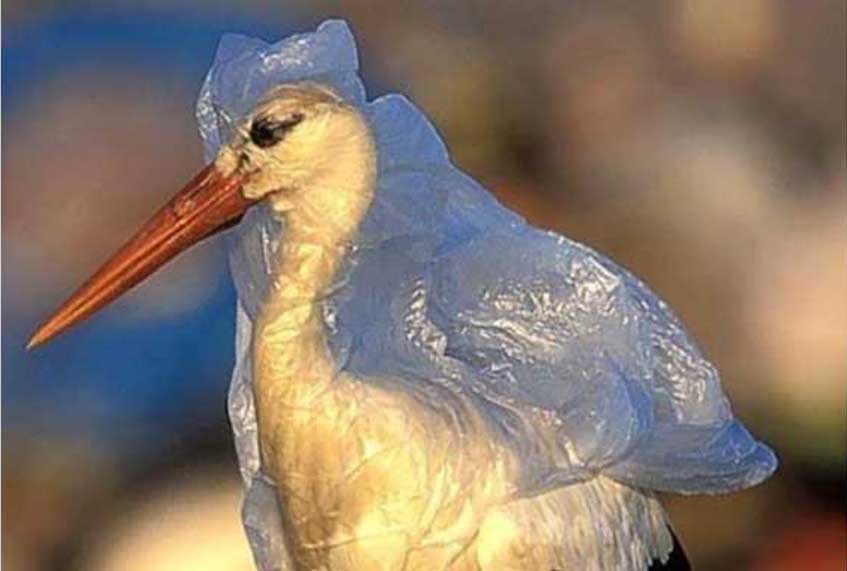
Animals frequently mistake discarded plastic bags for food. Ingesting these toxic polymers causes absolute failure in their digestive systems, ultimately leading to painful and unavoidable deaths.
The True Danger of Black Plastic Bags
Black plastic bags are exceptionally hazardous because they are often manufactured using low-grade recycled waste, including discarded plastic buckets, old PET bottles, and even untraceable medical waste. To conceal these defects and impurities, manufacturers dye the final products black. The chemical dyes used in this process are so toxic that many international regulations specifically restrict their contact with consumer goods.
The Global Power of Choosing Reusable Alternatives
To minimize these environmental and biological hazards, an increasing number of countries are banning single-use plastics altogether. Because deeply ingrained habits can be difficult to break overnight, many nations enforce mandatory retail fees to discourage plastic consumption.
The mathematical impact of choosing sustainable cloth bags over plastic is staggering. If just one out of every five people carried a reusable cloth bag instead of a single-use alternative, exactly 37 billion fewer plastic bags would be manufactured over a 70-year timeline. This collective reduction saves massive amounts of municipal waste management funds while preserving public health.
By properly utilizing structured recycling bins for all glass, paper, and plastic waste, we can stop raw environmental pollution at its source. Dedicating our daily habits to using paper bags, reusable files, and durable cloth totes is the best solution for passing a clean, orderly world down to future generations. These sustainable materials are entirely safe, endlessly useful, and deliver a beautiful gift of preservation back to our planet.