While it may seem a little overdue, the shift toward eco-friendly products and structured recycling initiatives is rapidly gaining momentum. From segmented recycling bins in our schools, offices, and streets to the introduction of sustainable packaging in major shopping centers, green habits are finally becoming a part of our daily routines.
At the center of this lifestyle transformation is the humble cloth bag. Once seen merely as an alternative, reusable tote bags are now a mainstream staple for people of all ages—blending everyday functionality with personal style.
Why Cloth Bags Stand Superior to Plastic
Derived from natural cotton, cloth bags offer immense advantages over fragile, single-use nylon and plastic alternatives. Here is why making the switch matters:
100% Eco-Friendly & Natural: Because they are made from pure cotton and organic fibers, cloth bags are entirely biodegradable and leave zero toxic waste behind.
Safe for Human Health: High-quality cloth bags are printed using water-based inks and traditional root dyes, ensuring they remain completely non-toxic and safe for carrying food.
Durability and Privacy: Thanks to their thick, tightly woven structure, cloth bags can carry heavy goods effortlessly. Their opaque material also keeps your shopping private, unlike transparent, flimsy plastic.
The Power of Repetition: A plastic bag is typically discarded after just one use, fueling continuous consumption. A durable cloth bag can be reused hundreds of times, drastically reducing waste.
The 1-in-5 Impact: Statistics show that if just one out of every five people brought their own reusable bag when shopping, it would save billions of plastic bags annually, significantly easing both municipal waste management budgets and family expenses.
The Ultimate Smart Marketing Tool for Brands
From a business perspective, promotional cloth bags serve as a highly efficient, low-cost marketing tool.
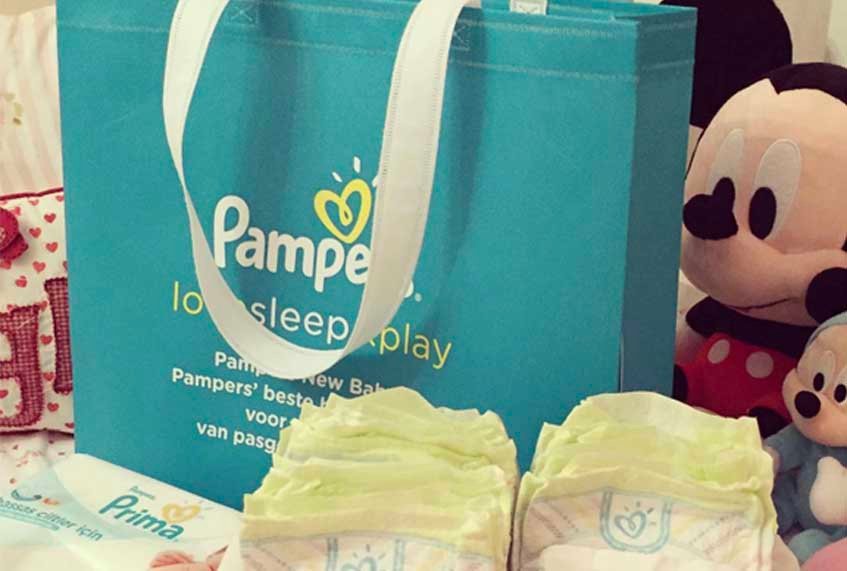
Because they are affordable to produce and widely valued by consumers, companies can print their logos, names, and eco-friendly messages directly onto the fabric. When distributed to customers, these bags act as mobile, outdoor advertisements that travel through cafes, streets, and shopping malls—boosting brand visibility while aligning your company with sustainable values.
A Canvas for Self-Expression
Beyond their practicality, cloth bags have become a favorite fashion accessory, especially among younger generations. Because they are cheap and easy to manufacture, they can be customized with virtually any pattern, color, quote, or artwork.
With simple additions like tiny badges, custom embroidery, or unique handles, a standard tote bag transforms into a piece of extraordinary design, allowing individuals to ditch ordinary, boring packaging and express their unique personality.
Safeguarding Our Future
Limiting our reliance on single-use plastics is a collective responsibility that society must actively embrace. Our natural resources are already under heavy strain. If we want to pass down a clean, livable planet to future generations, adapting to sustainable habits is no longer optional.
Countries worldwide are taking drastic measures. For example, France recently made headlines by becoming a pioneer in banning single-use plastic containers altogether. If you want to learn more about how global nations are enforcing these rules, we invite you to read our article: “The First Country to Ban Plastic Containers: France.”
We have tested the limits of our planet for long enough. If we do not make a conscious effort to adopt reusable products today, we may not have the natural resources or possibilities we take for granted just 50 years from now. Let’s make the switch together.