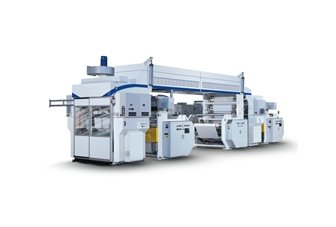
Lamination is the process of bonding two or more layers of different materials into a single, cohesive sheet using heat, pressure, and specialized adhesives.
While the word “lamination” might sound like a highly technical or foreign term, it is actually an invisible essential that shapes our homes, clothing, and everyday items. From the durable flooring under our feet to the protective coating on business cards, lamination makes materials stronger, smoother, and vastly more functional.
How Lamination Works Across Different Industries
The core concept of lamination remains the same: combining surfaces to create a superior product. However, the exact methods and temperature grades vary significantly depending on the sector.
1. Textiles and Fashion (Apparel, Shoes, and Bags)
In the textile industry, lamination fuses layers of fabrics using double-sided adhesive webs or films. Under intense heat and pressure, these layers bond permanently.
Applications: It is heavily used in outerwear, shoes, bags, belts, and upholstery fabrics to provide structural integrity, water resistance, or added thickness.
2. The Furniture Industry (MDF and Woodwork)
On its own, raw chipboard or MDF lacks visual appeal and durability.
Applications: Through lamination, a decorative layer featuring desired patterns, wood grains, or vibrant colors is permanently pressed onto the base wood. This transforms ordinary boards into beautiful, smooth, and highly durable furniture pieces.
3. Printing and Graphic Arts (Photographs and Business Cards)
In the printing world, indoor and outdoor prints, photographs, and business cards are laminated to protect them from external elements like moisture, tearing, and fading.
The Process: A thin plastic film (cellophane or protective laminate) is applied to the printed image using hot or cold lamination machines, depending on the type of ink used.
The Result: It increases the thickness of the paper and preserves the image while adding a premium matte or glossy finish that makes colors pop.
4. Interior Decor (Wallpaper and Flooring)
Lamination can turn a basic piece of paper into luxury wallpaper. By combining standard paper with a heat-resistant, printed top layer, manufacturers create rich, textured wall coverings. Similarly, the laminate flooring (parquet) in our homes owes its scratch resistance and wood-like appearance entirely to this process.
Summary of Core Benefits
Lamination is everywhere because it serves three major purposes:
Enhanced Durability: It protects weak materials from wear, tear, scratches, and weather conditions.
Aesthetic Perfection: It allows manufactures to apply beautiful colors, glossy shine, and smooth finishes to raw materials.
Utility: It makes daily life easier by providing low-maintenance, long-lasting products.
The next time you look at a sleek cabinet, a sturdy tote bag, or a glossy business card, you are witnessing the power of lamination a simple process that brings premium quality into our lives.