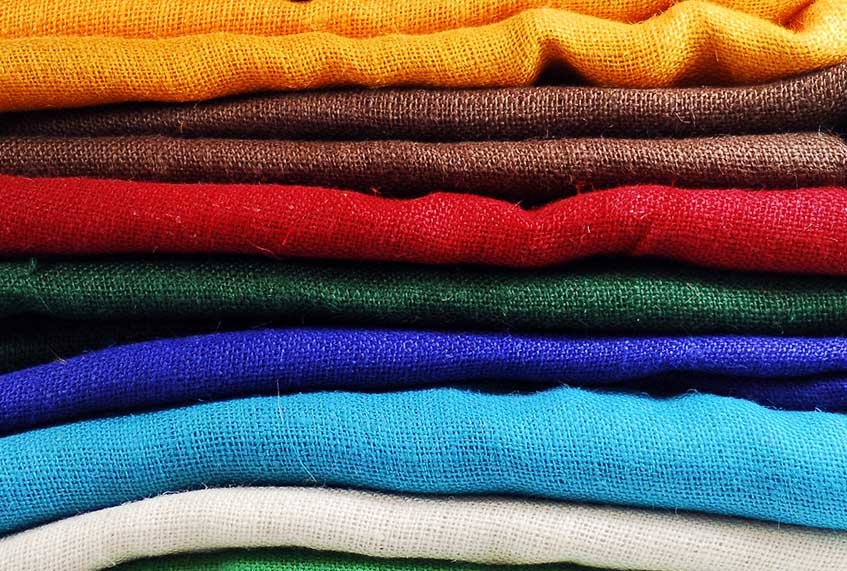
In today’s industrial landscape, sustainable and eco-friendly materials are more critical than ever. One material that has stood out across multiple sectors due to its natural, harmless structure is Jute (often associated with Jacquard weaving techniques in certain textile applications).
From packaging to premium shopping bags, jute and its synthetic counterpart offer unmatched durability and environmental benefits.
The Lifecycle and Production of Natural Jute
Natural jute is derived from the robust fibers of two primary plant species: Corchorus capsularis and Corchorus olitorius.
Global Sourcing and Agriculture
Jute plants flourish primarily in regions that support seasonal farming and efficient labor structures.
Primary Producers: India and Pakistan are the historical birthplaces of commercial jute production.
Emerging Hubs: Over time, production has expanded to Malaysia, as well as the states of Texas and South Carolina in the USA.
The Harvesting and Processing Challenge
To maintain the high quality required for textiles and packaging, timing is everything during the harvest:
Jute plants grow between 2 to 4 meters within a single year. They must be quickly harvested and bundled exactly when they bloom. If harvested late, the plant turns to seed, the fibers become overly rigid, and the resulting fabric loses its commercial value.
The harvested bundles are submerged in water pools and covered with natural fertilizers and plant leaves. This biological process softens the stems and separates the outer flowers from the usable internal fibers.
Once thoroughly dried, the separated fibers are passed through industrial combs. This step cleans away any remaining bark, leaves, or crusts.
The pure, cleaned fibers are spun and wound onto bobbins as spools, ready to be woven into thick ropes, durable sacks, heavy-duty tents, and stylish tote bags.
Synthetic Jute: The Power of PP Woven Fabrics
Alongside natural jute, the modern packaging sector heavily relies on a highly efficient synthetic alternative known as PP Woven Fabric (Synthetic Jute). Made from Polypropylene (PP), this material drastically simplifies heavy-duty logistics and daily life.
PP woven fabrics are manufactured by weaving extruded polypropylene strips horizontally and vertically. They are then laminated with a protective LDPE/PP layer to enhance strength and waterproofing.
Core Material Advantages
Chemical & Moisture Resistance: Highly resilient against aggressive chemical exposures and moisture buildup.
Rot and Fungus Proof: Unlike natural fibers, synthetic jute will not decay or develop mold in damp environments.
100% Non-Toxic & Food Safe: Completely safe for direct contact with agriculture, crops, and foodstuffs.
Lightweight yet Ultra-Durable: Offers incredible tensile strength without adding unnecessary weight to shipments.
Primary Industrial Applications
Industrial Outer Packaging: Heavy bags for building materials such as cement, fertilizer, and urea.
Foodstuff Transportation: Bulk packaging for pulses, grains, sugar, and flour.
FIBCs (Big Bags): The foundation of heavy-duty “Big Bags” used in global shipping.
Retail Reusable Bags: Heavily preferred for creating long-lasting, high-traffic promotional shopping bags.